
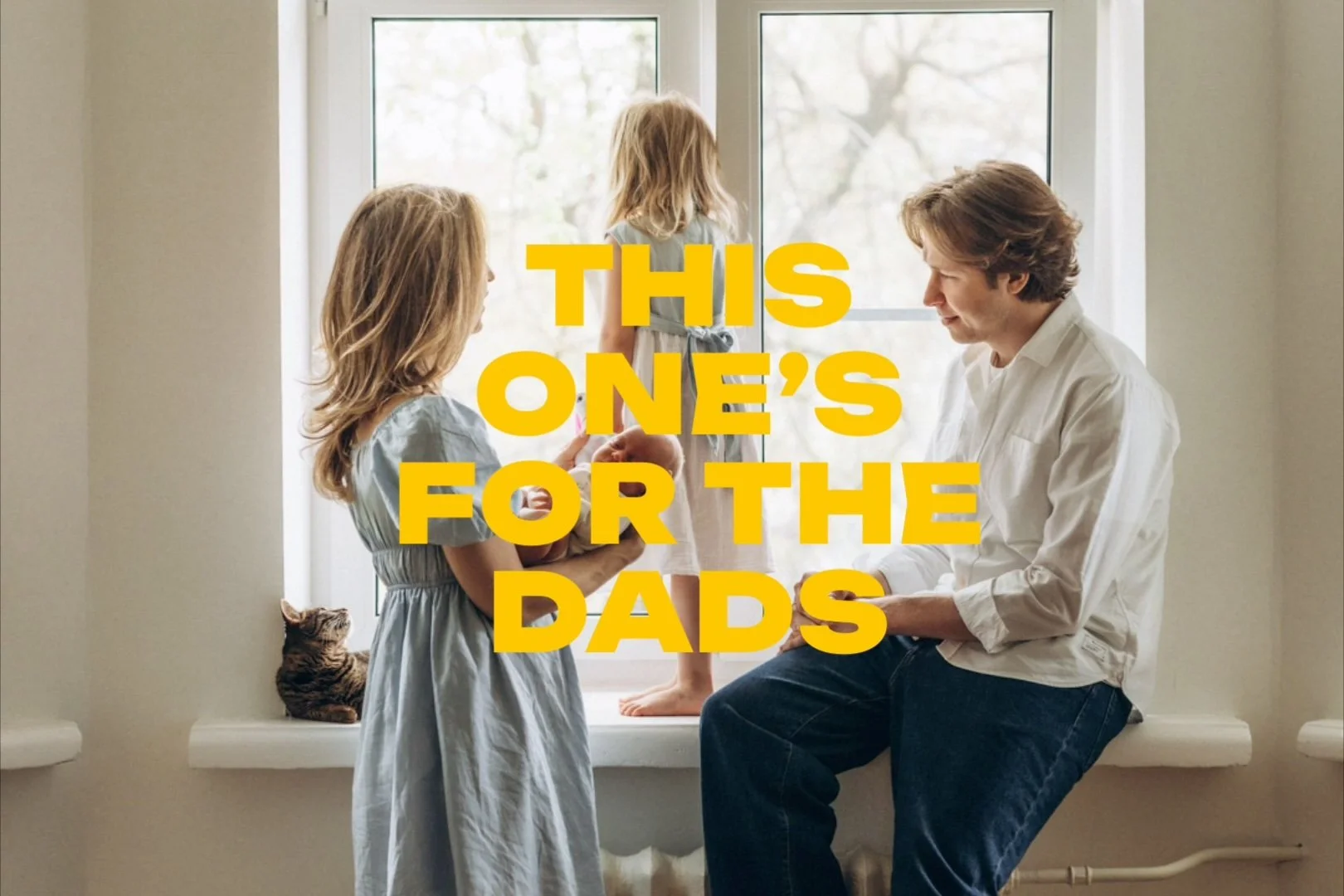
Somewhere tonight, a father is sitting on the edge of a small bed, reading the same picture book he has read a hundred times. He stops for the questions. He does the voices. It most likely won’t make the highlight reel of his family’s life. But it is happening in homes all over the country right now, and it is reshaping what it means to be a dad.
For generations, the story we told about fathers was a simple one. A good father provided. He protected. He worked hard and carried the financial weight of a family on his shoulders, often without saying much about it. That love was real, even when it showed up as long hours and steady sacrifice rather than words. It was the language of fatherhood that many of us grew up with, and there was honor in it.
But something has shifted, and it is worth pausing to notice.
Today’s fathers are doing all of that, and then reaching for more. They are showing up to the recital and sitting in the waiting room at the pediatrician’s office. They are learning the names of their kids’ friends and the words to the bedtime songs. The numbers tell the story plainly. According to Pew Research, fathers now spend roughly three times as much time caring for their children as fathers did in the 1960s. Caregiving, once assumed to be a mother’s domain, has become something fathers want a real share of.
And yet, wanting to be present and being free to be present are not always the same thing. Many fathers still feel caught between two worlds. A large study of 5,000 working fathers found that nearly three-quarters wanted to embrace equal parenting at home, while many still feared that asking for time with their families would be met with judgment at work. They want to leave early for the school play. They also worry about what it might cost them to be the one who does.
Maybe that is why so many fathers say the same thing when you ask them. They wish they had more time. In one Pew survey, nearly two-thirds of fathers, 63 percent, said they spend too little time with their children. Not because they do not care, but because they care a great deal, and the days feel short, and no amount of providing ever feels like quite enough when what you really want is to simply be there.
It turns out that for most men, this is not a small corner of their lives. It sits close to the center of who they are. Pew found that the overwhelming majority of fathers say being a parent is one of the most important parts of their identity. Ask a man who he is, and somewhere near the top of the answer, you will often find his children.
I think about all of this growing up with my involved and loving dad, and now watching my husband with our own kids.
Both of them provide, the way the men before them did. Both of them protect. But what moves me most is the way they put family first without ever being asked to choose, the way they fold the worry and the work and the early mornings into something that looks, from the outside, a lot like joy. They are living proof that a man can carry the weight of providing and still never miss the moments right in front of them.
So this Father’s Day, I keep coming back to a simple thought. The image of a good father is changing, and it is changing for the better. We are learning to celebrate fathers not only for what they provide, but for how they show up. For coaching the team. For reading the story. For sitting in the dark a little longer after the last song is over. Because children have never only needed providers. They have always needed fathers who are there.
💌
Jenn from The Mom Society™